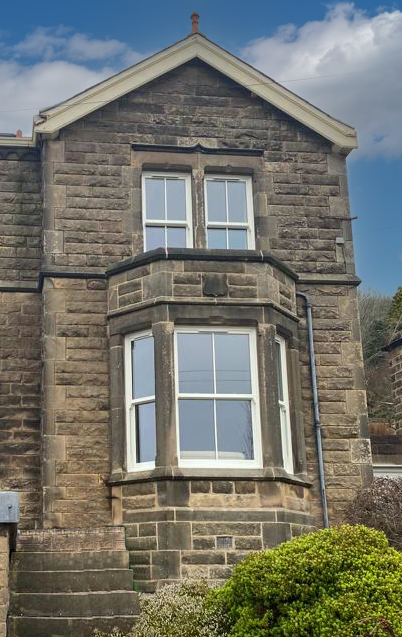
Sash bay window in a stone period cottage
Listed buildings · Conservation areas · Period homes

Secondary glazing for Reading & Berkshire.

An extra layer of glass on the inside of your existing windows — reducing noise, cutting heat loss, and protecting listed buildings without touching the original frame.

54 dBnoise reduction
65%less heat loss
45+years proven
Secondary Glazing

What is secondary glazing?

Secondary glazing is a separate inner window fitted on the room side of your existing frame. Unlike replacement double glazing, it leaves the original window completely intact — making it the go-to solution for listed buildings, conservation areas, and any property where the original windows cannot be changed.

It works by creating a sealed air gap between the two panes of glass. The larger that gap, the greater the acoustic and thermal performance. A 150–200mm cavity, for example, can cut road noise by up to 54 dB — far beyond what standard double or triple glazing achieves.

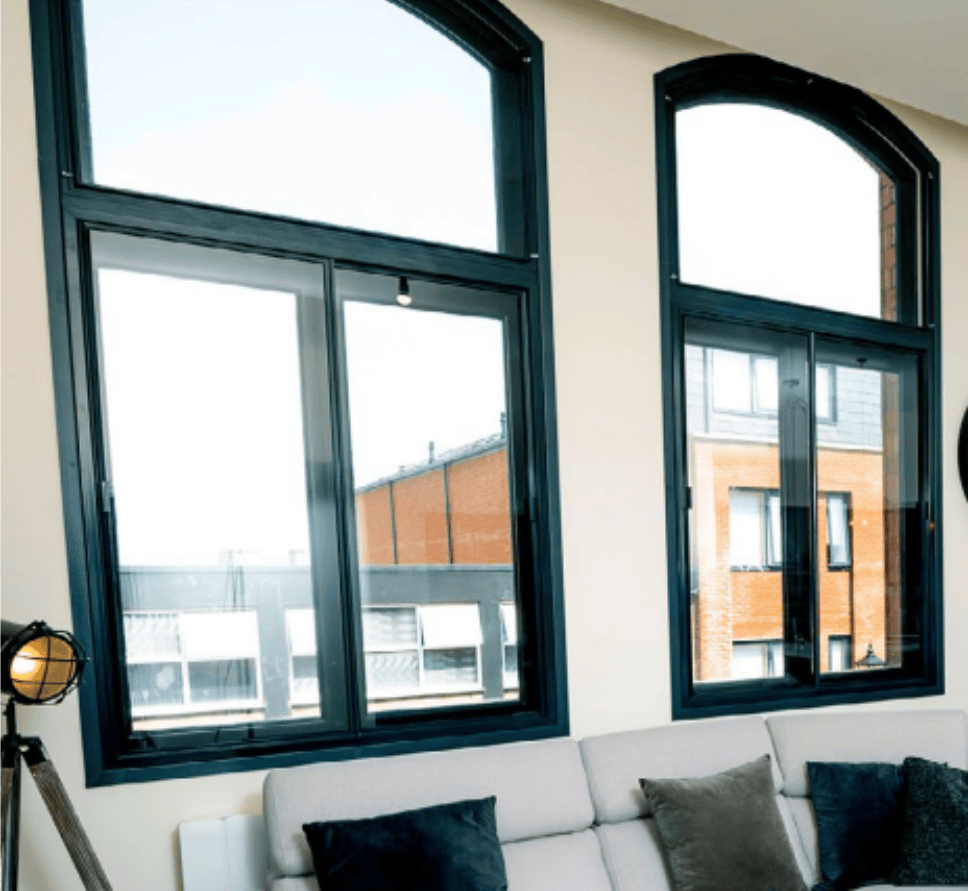
Dark-framed arched windows seen from inside a living room
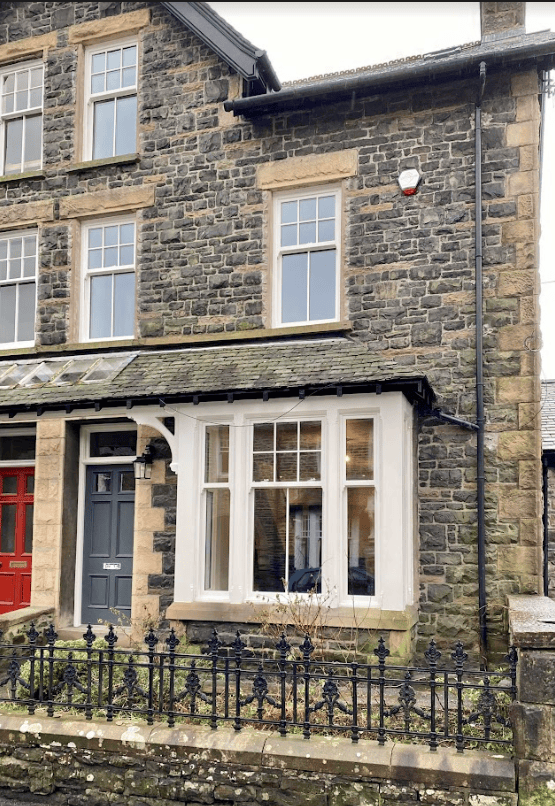
Sash windows on a stone period house
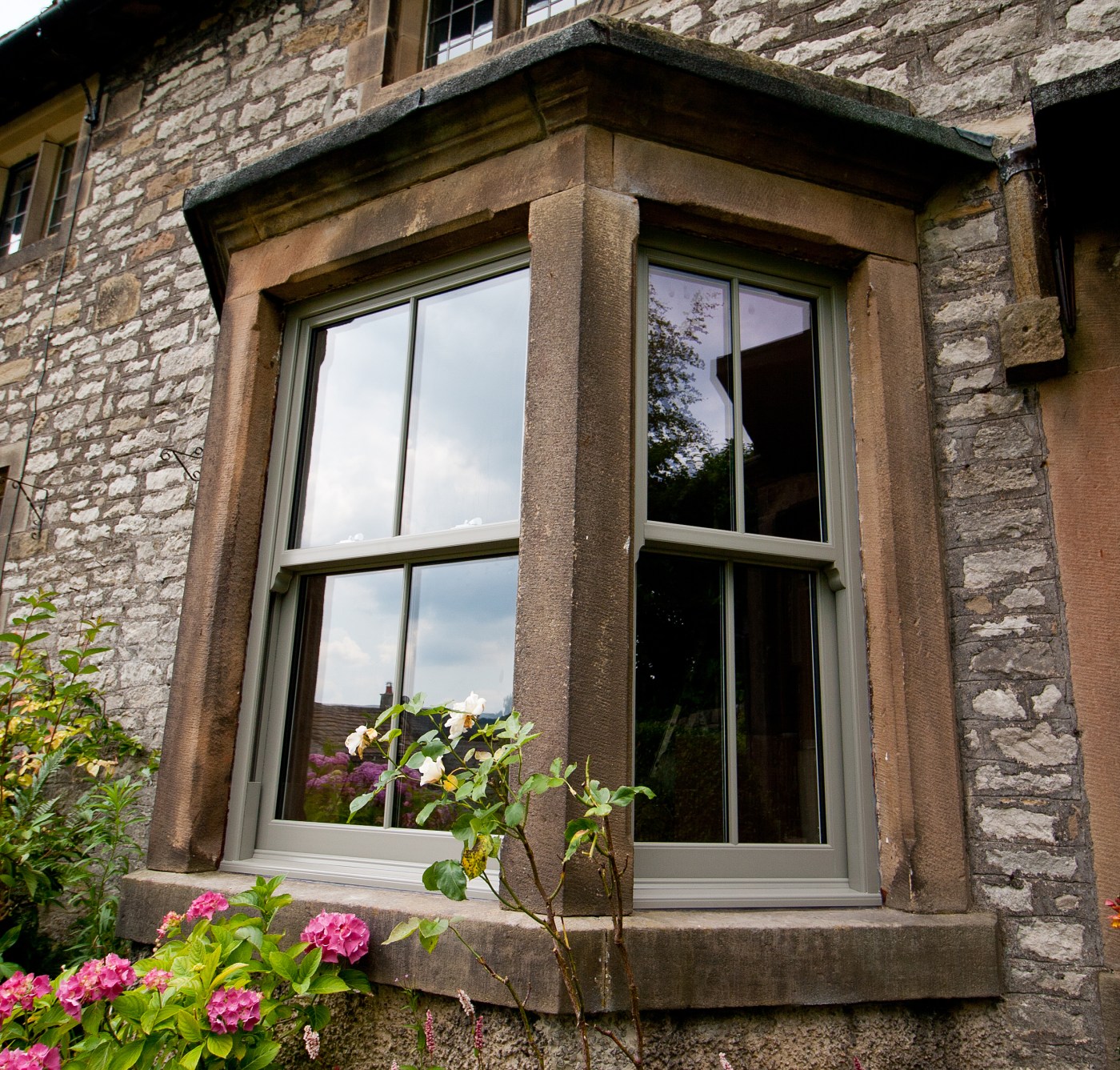
Sash bay window on a stone terrace
Why choose it

Four reasons secondary glazing works

Noise reduction

Up to 54 dB Rw — over double what a standard double-glazed unit achieves (≈35 dB). The improvement comes from the large air gap, not glass thickness alone. An 8.8mm acoustic laminate at 200mm cavity is the benchmark configuration.

Thermal performance

Up to 65% reduction in heat loss through the window. Face-fixing with an 80mm cavity and Low-E glass achieves whole-window U-values as low as 1.1 W/m²K — comparable to a modern double-glazed unit without replacing the original frame.

Listed buildings & conservation areas

Secondary glazing is reversible and non-invasive — it leaves the original window untouched. This makes it the only glazing improvement that typically does not require Listed Building Consent, and it's the approach recommended for heritage properties.

Security

A secondary unit creates an additional physical barrier. All units use toughened safety glass as standard (4mm minimum). The hinged range adds multi-point locking — even if the outer window is compromised, the secondary unit remains in place.

Product range

Four systems for every window type

We supply and fit premium aluminium secondary glazing made by Granada Glazing — the UK's largest manufacturer, producing over 25,000 units a year. Every frame is made to measure and powder-coated in your choice of over 200 RAL colours.

Horizontal Sliding
Most popular

Horizontal Sliding Units

The most widely specified system in the range — two to five independently sliding sashes running on aluminium tracks. Suited to casement windows, hinged windows, and any window with vertical glazing bars.

An Enhanced heavy-duty version handles larger openings up to 4,934mm wide. Independently sliding panes mean full ventilation control without removing anything.

Up to 49 dB Rw 1.5 W/m²K Up to 4,934mm wide 200+ RAL colours
Vertical Sliding
Traditional sash windows

Balanced Vertical Sliding

Designed specifically for traditional sash windows. Spring-balanced sashes hold at any open position and can be tilted inward through almost 180° for safe cleaning from inside the room — no ladders required.

Available in two configurations: tilt-in (TBVS) and slide-past (SPBVS). Minimum sash width 175mm; maximum overall height 3,325mm.

Up to 50 dB Rw 1.49 W/m²K Tilt-in cleaning Max 3,325mm tall
Hinged Units
Best acoustic performance

Hinged Units

Opens inward like a door, providing the widest clear opening and the highest acoustic performance in the range. Available in slimline (HU-SL, 60mm sightlines) and heavy-duty (HU-HD) variants.

The heavy-duty version is the only unit in the range that takes sealed double-glazed units (24mm and 28mm), achieving 54 dB Rw and a Uw of 1.1 W/m²K. Integral venetian blinds are an option.

Up to 54 dB Rw 1.1 W/m²K Double-glazed option Integral blinds available
Bespoke & Made to Measure
Any shape, any size

Bespoke Units

Arched, bay, curved, circular, angled — anything that falls outside a standard rectangular frame is quoted individually. Frames are bent or shaped in-house, so there's no shape that can't be accommodated.

Every unit in the range is already made to order; bespoke simply covers shapes that require custom frame fabrication. The same colour options, glass choices, and guarantee apply.

Arched & curved Bay windows Circular panes Fully guaranteed

Supplied by Granada Glazing

We partner exclusively with Granada Glazing — ISO 9001:2015 certified, FENSA-compliant, and the UK's largest manufacturer of premium aluminium secondary glazing systems. Over a million frames made. Every unit is bespoke and built to order.

45+years in business
1M+frames made
200+RAL colours
FAQ

Common questions

Does secondary glazing need planning permission?

Secondary glazing is generally classed as permitted development and does not require planning permission for most homes. For listed buildings, it is typically the only glazing improvement that does not require Listed Building Consent — because it leaves the original window entirely untouched. If you're unsure about your property, we'll check before quoting.

Will it affect how my windows open and close?

No. The secondary unit is fitted on the room side of the original window and operates completely independently. You can still open and close the outer window as normal. Sliding and hinged secondary units provide their own ventilation openings, so you don't need to open the primary window to get airflow.

How much noise reduction can I realistically expect?

The figures depend on your existing window, the cavity depth, and the glass specification. With a 200mm glass-to-glass air gap and 6.8mm acoustic laminate, horizontal sliding units achieve 49 dB Rw. The hinged heavy-duty unit reaches 54 dB Rw with a double-glazed unit. Standard double glazing achieves around 35 dB Rw by comparison. We'll recommend the right glass for your situation after a survey.

Can secondary glazing be used on sash windows?

Yes — the balanced vertical sliding system is designed specifically for traditional sash windows. It matches the vertical sliding action of the original window and includes a tilt-in function so both panes can be cleaned safely from inside the room. It's the preferred solution for Victorian and Edwardian properties with period sash windows.

What colours are available?

Over 200 RAL colours, with five stocked for faster lead times: White (RAL 9003), Cream (RAL 9001), Van Dyke Brown (BS 08 B29), Anthracite Grey (RAL 7016), and Black (RAL 9005). All frames are powder-coated in-house.

Do you cover Reading and the surrounding area?

Yes. Lafford & Leavey are based in Theale, Berkshire and cover Reading and the wider Thames Valley. Call us on 01189 303333 or use the contact form to arrange a visit and a free quote.

We survey, advise, supply and install. Free, no-obligation quote.

01189 303333